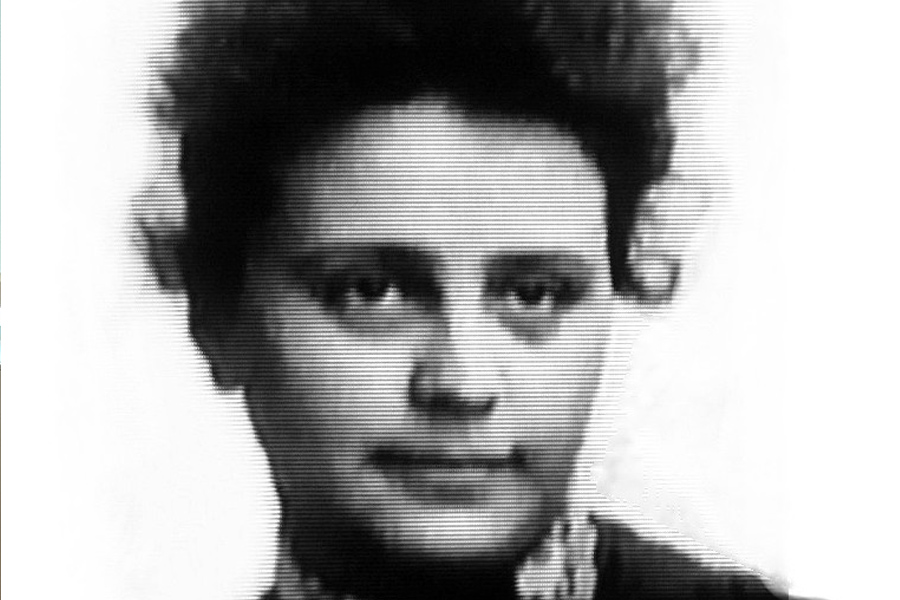
Henrietta’s story is one of quiet influence. She worked in her family’s bakery as a teenager, raised three children, preserved precious memories in a carefully maintained baby book, and encouraged the playful experimentation that later became a defining feature of Dr. Seuss’s writing. Her life also contained profound grief, including the death of her youngest daughter in infancy and her own early death at age 52.
Basic Information About Henrietta Geisel
| Category | Details |
|---|---|
| Full name | Henrietta Augusta Seuss Geisel |
| Nickname | Nettie |
| Date of birth | May 13, 1878 |
| Place of birth | Springfield, Massachusetts, United States |
| Nationality | American |
| Heritage | German American |
| Father | George J. Seuss |
| Mother | Margaretha Katherine Greim Seuss |
| Spouse | Theodor Robert Geisel |
| Children | Margaretha Christine, Theodor Seuss, and Henrietta Bertha |
| Known for | Being the mother of Dr. Seuss |
| Early occupation | Bakery worker |
| Later role | Homemaker and mother |
| Date of death | March 8, 1931 |
| Age at death | 52 |
| Burial place | Oak Grove Cemetery, Springfield, Massachusetts |
Early Life and German American Family Background
Henrietta Augusta Seuss was born to Springfield, Massachusetts-based Bavarian immigrants. George J. Seuss and Margaretha Katherine Greim Seuss, her parents from Germany, ran a bakery to support the family.
German background remained important to the family. Seuss, their surname, was pronounced Germanically as “soyce.” Henrietta raised her children in this cultural setting.
Family duties and small company management dominated her childhood. Henrietta quit college at 15 to work in the bakery. Instead of studying, she learnt jobs, customer service, and domestic duties.
That early sacrifice shaped her view on her children’s schooling. After failing to pursue her dreams, she wanted her children to have the same opportunity.
Henrietta was tall, energetic, and spirited. She was described as six feet tall, warm, and eager to promote quirky behavior when it showed imagination or interest.
Marriage to Theodor Robert Geisel
Henrietta married Theodor Robert Geisel on February 27, 1902, in Manhattan, New York. Their marriage connected her family’s bakery background with the Geisel family’s involvement in Springfield’s brewing industry.
Theodor Robert Geisel was born on June 28, 1879. His parents were Theodor Geisel Sr., who had worked as a jeweler before entering the brewery business, and Christine Schmaelzle. The younger Theodor became involved in the family enterprise, associated with Kalmbach and Geisel and Springfield Breweries.
He eventually became a manager and briefly served as president after his father’s death in 1919. However, Prohibition brought the brewery business to an end in 1920, forcing the family to adjust to a new financial and professional reality.
Theodor later worked as Springfield’s superintendent of parks, a position that included responsibilities connected with Forest Park and its zoo. His public service gave the family another source of stability after the brewery closed.
Outside his professional life, Theodor was known for his athletic abilities and skill as a marksman. He reportedly won a world title in a 200-yard shooting competition in 1902.
Henrietta and Theodor built their household in Springfield, including a period at 74 Fairfield Street. Their family life combined middle-class comforts, educational aspirations, outdoor activities, and the responsibilities of raising children.
Theodor survived Henrietta by more than three decades. He died on December 9, 1968, and was buried at Oak Grove Cemetery, where Henrietta had also been laid to rest.
Henrietta Geisel and Her Three Children
Motherhood was the central part of Henrietta’s adult life. She had three children, each of whom occupied a different place in the family’s story.
Margaretha Christine Geisel
Margaretha Christine Geisel, affectionately known as Marnie, was born on July 4, 1902. She was the eldest child and was named after the children’s grandmothers.
Marnie shared a close relationship with her younger brother, Theodor Seuss Geisel. The two walked to school together, played tennis, and participated in family costume parties. Their childhood offered a mixture of structured education and playful family traditions.
Academically gifted, Marnie graduated magna cum laude from Central High School and attended Smith College. Her educational achievements reflected the importance Henrietta placed on learning, especially given her own interrupted educational ambitions.
Marnie later married Lloyd Dahmen. The marriage ended in divorce, and they had one daughter, Margaretha “Peggy” Dahmen Owens, born on November 1, 1927.
Marnie died in 1945 from coronary thrombosis. She was only in her early forties, and her death added another layer of sorrow to the Geisel family history. She was buried near her mother.
Her daughter Peggy later maintained a close relationship with her uncle Ted. Dr. Seuss dedicated a book to Peggy, and she lived with the Geisel household for a period. Through Peggy and other family recollections, details of Henrietta’s life and family traditions continued to reach later generations.
Theodor Seuss Geisel
Theodor Seuss Geisel, born on March 2, 1904, became one of the most influential children’s authors and illustrators of the twentieth century. The world would come to know him as Dr. Seuss.
He grew up in Springfield in a household where English and German were both part of the family’s cultural background. His childhood included ordinary family activities, school experiences, visits to parks, and moments of encouragement from his mother.
Henrietta’s most important contribution to her son’s future may have been the rhythm she introduced into everyday life. Before he became famous for books filled with playful language and memorable rhymes, Ted heard his mother sing rhythmic chants associated with the family bakery.
She had learned to call out lists of pies and baked goods in a lively, musical manner. The chant’s quick succession of flavors and unexpected ending made the words memorable. Years later, Ted connected his mother’s rhythms with the urgency and musical quality of his writing.
Henrietta also encouraged his drawings. Rather than treating every mark on a wall as a problem to be punished, she sometimes praised his creativity. That attitude helped create an atmosphere in which experimentation was welcomed.
Ted attended Dartmouth College and eventually developed a remarkable career as a writer and illustrator. His books, including The Cat in the Hat, Green Eggs and Ham, and How the Grinch Stole Christmas!, introduced generations of children to playful vocabulary, inventive characters, and distinctive illustrations.
He married Helen Palmer in 1927. Helen became his creative partner and supporter, although she died in 1967. In 1968, he married Audrey Stone Dimond. Neither marriage produced biological children.
Ted died on September 24, 1991. His mother’s influence remained part of the story behind his distinctive literary voice, even though she had died decades before his greatest successes.
Henrietta Bertha Geisel
Henrietta Bertha Geisel was the youngest child, born on August 17, 1906. She was named after her mother, creating a direct connection between two generations of the family.
Her life was tragically short. She died on December 19, 1907, at approximately 16 months of age. Pneumonia and right-heart failure have been associated with her death in family accounts.
The funeral was held at the family home. The image of the little girl’s casket in the music room remained a painful memory for her young brother Ted.
The loss deeply affected the family, particularly Henrietta, who had already devoted herself to caring for her children. A family recollection describes Marnie attempting to comfort her mother by saying that the baby had winked at her.
Such a small moment reveals the emotional world of the household. Even amid grief that a young child could scarcely understand, the family searched for a way to soften the pain.
Henrietta Bertha’s death became one of the defining tragedies in the family’s history, remembered alongside the warmth and creativity that characterized the surviving children’s upbringing.
Henrietta’s Relationship With Her Parents and Sister
George J. Seuss and Margaretha Katherine Greim Seuss taught Henrietta duty and family loyalty.
George baked, and the family company demanded constant effort. At 15, Henrietta helped in the bakery, showing how closely her early life was tied to the household’s finances.
Her mother, Margaretha Katherine or Margaret Katherine, was part of the immigrant group that retained Massachusetts family traditions. Henrietta learned about Bavaria and its customs from both parents.
Henrietta’s sister was Mary Bertha Seuss. Mary and the sisters’ adult relationship is poorly documented, making it hard to reconstruct.
The extended family network remained crucial. The bakery, Geisel family, and extended family helped Henrietta raise her children.
The family also had a German-born live-in servant, demonstrating their home arrangements and attachment to German culture.
Life in Springfield and the Family Home
Springfield was more than Henrietta’s birthplace. It was the setting for her marriage, motherhood, household routines, and lasting family memories.
The Geisels lived in the city’s Forest Park neighborhood and were associated with homes on Howard Street and later Fairfield Street. Their residence at 74 Fairfield Street became particularly connected with recollections of the children’s early years.
The family enjoyed visits to Forest Park and its zoo, trips to the beach during the summer, and occasional journeys farther afield, including travel to Europe.
These activities offered children opportunities to observe the natural world and encounter new experiences. For Ted, whose imagination later filled books with extraordinary creatures and landscapes, such childhood surroundings formed part of his early world.
Henrietta helped balance these experiences with education and family routines. She encouraged her children to pursue their interests while maintaining the practical responsibilities of everyday life.
The family’s circumstances changed after Prohibition closed the brewery in 1920. Theodor’s subsequent work in municipal parks helped maintain stability, while the household continued to emphasize education and personal development.
The Baby Book That Preserved Ted’s Childhood
One of Henrietta’s most remarkable possessions was a detailed baby book documenting her son Ted’s early life.
She recorded milestones, family celebrations, and small observations that might otherwise have disappeared into the past. Entries included his first laugh on April 17, 1904, early steps, music lessons, birthday parties, and changes in his developing signature.
The book also preserved a lock of hair and other personal mementos. Its contents transformed an ordinary record of childhood into a window onto the family’s private life.
What makes the baby book especially valuable is its intimacy. Famous writers are often remembered through published works, interviews, and public achievements. Henrietta’s record captures something different: a mother paying attention to the smallest details of a child’s development.
Her careful documentation also reveals her personality. She noticed changes, celebrated milestones, and treated childhood as something worth preserving.
The book later became part of the broader historical record associated with Dr. Seuss. Its public exhibition at the Amazing World of Dr. Seuss Museum brought attention to Henrietta’s role in safeguarding family memories.
In this way, her private act of recordkeeping became a lasting contribution to the history of one of America’s best-known children’s authors.
Career, Financial Status, and Personal Achievements
Henrietta did not have a prominent independent professional career. Her working life began in the family bakery, where she helped sell pies and other baked goods, and later centered on managing the household and raising her children.
Although homemaking was not a public profession, it required organization, patience, and a substantial amount of daily labor. Henrietta cared for three children, maintained family traditions, supported educational ambitions, and preserved memories that later became historically significant.
Her family’s financial circumstances were comparatively comfortable for the period. The Geisel family’s brewery connections provided an economic foundation before Prohibition, and Theodor Robert’s subsequent municipal employment offered continued income.
The family lived in a substantial home and sometimes employed household help. However, these circumstances should not be confused with evidence of independent wealth belonging to Henrietta herself.
There is no reliable public estimate of her personal net worth, and assigning a modern dollar figure would be speculative.
Her achievements are better understood through her influence on the family. She helped Marnie pursue higher education, supported Ted’s artistic experimentation, and created an environment where language could be playful rather than merely practical.
Her bakery chants became part of her son’s remembered creative inheritance. Her baby book preserved details of his childhood. Her encouragement helped establish a home where imagination could grow.
These contributions did not earn Henrietta public recognition during her lifetime, but they became an important part of Dr. Seuss’s personal history.
Henrietta Geisel’s Final Years and Death
Henrietta died in Springfield on March 8, 1931, at the age of 52. Some accounts attribute her death to an inoperable brain tumor, although other secondary records contain differing medical details.
Her death came long before Ted’s greatest literary achievements. She did not live to see the extraordinary popularity of his children’s books or the worldwide recognition attached to the Dr. Seuss name.
She was buried at Oak Grove Cemetery in Springfield, reportedly in Section 4. Her husband and other family members were later buried at the same cemetery.
Her death marked a profound loss for the family. Marnie would die in 1945, while Theodor Robert lived until 1968. Ted continued his literary career until his death in 1991.
The family story therefore spans several generations, from Bavarian immigrant roots to the enduring cultural presence of Dr. Seuss.
Henrietta Geisel’s Legacy and Public Recognition
Henrietta’s legacy goes beyond being a great author’s mother and centers on her bond with her son.
Her bakery chanting, encouragement of childhood painting, and careful preservation of Ted’s early milestones show her influence. These details demonstrate how family life may inspire creativity.
Historical exhibits and Springfield’s Dr. Seuss attractions have revived her life. Family photos, the baby book, and Geisel home accounts reveal a woman with little public record.
A 1905 family portrait shows Henrietta with her husband and young children. Other photos show Henrietta, Marnie, and the kids outside their home.
Because Henrietta portraits are rare, these photos are noteworthy. They depict her in her son’s childhood family.
Her biography also shows how familial influence can hide beneath a celebrity’s success. Dr. Seuss’ characters, rhythms, and stories have inspired generations of readers, but his imagination began at home.
Henrietta never gained fame or bestseller status. She left a quieter legacy of encouragement, music, memory, and the notion that children’s imaginations should develop.
FAQ About Henrietta Geisel
Who was Henrietta Geisel?
Henrietta Augusta “Nettie” Seuss Geisel was an American homemaker and the mother of children’s author and illustrator Dr. Seuss. She was born in Springfield, Massachusetts, on May 13, 1878, and died on March 8, 1931.
Was Henrietta Geisel Dr. Seuss’s biological mother?
Yes. Henrietta was the biological mother of Theodor Seuss Geisel, the writer and illustrator known professionally as Dr. Seuss. She raised him in Springfield alongside his two sisters.
How did Henrietta Geisel influence Dr. Seuss?
Henrietta influenced her son through rhythmic bakery chants, encouragement of his drawings, and a supportive home environment. Ted later credited the rhythms and urgency of his writing to the influence of his mother’s musical way of speaking.
Who was Henrietta Geisel’s husband?
Her husband was Theodor Robert Geisel, born on June 28, 1879. He worked in the family brewery business before becoming superintendent of parks in Springfield, Massachusetts.
How many children did Henrietta Geisel have?
Henrietta had three children: Margaretha Christine “Marnie” Geisel, Theodor Seuss Geisel, and Henrietta Bertha Geisel. Her youngest daughter died in infancy in December 1907.
What happened to Henrietta Geisel’s youngest daughter?
Henrietta Bertha Geisel was born on August 17, 1906, and died on December 19, 1907, at approximately 16 months old. Her death was a major tragedy for the family and remained part of the childhood memories associated with her brother Ted.
Did Henrietta Geisel have a career?
As a teenager, Henrietta worked in her parents’ bakery, helping sell pies and other baked goods. After marriage, her primary responsibilities centered on homemaking and raising her children.
What was Henrietta Geisel’s net worth?
No reliable public estimate of Henrietta’s individual net worth is available. Her family’s financial position was supported by brewery interests and, later, her husband’s municipal employment, but the family’s resources cannot be treated as her personal wealth.
Where is Henrietta Geisel buried?
Henrietta is buried at Oak Grove Cemetery in Springfield, Massachusetts. Her husband, Theodor Robert Geisel, was also buried there after his death in 1968.
Are photographs of Henrietta Geisel available?
Yes. Family photographs from the early twentieth century show Henrietta with her husband and children. Images associated with the Geisel family include a portrait from around 1905 and photographs of Henrietta with her daughter Marnie.
What happened to Henrietta Geisel’s baby book?
The baby book Henrietta kept for Ted preserved milestones, photographs or clippings, a lock of hair, and other family mementos. It later became part of the historical material associated with Dr. Seuss and was exhibited at the Amazing World of Dr. Seuss Museum.
When did Henrietta Geisel die, and how old was she?
Henrietta died on March 8, 1931, in Springfield, Massachusetts, at the age of 52. Accounts commonly attribute her death to an inoperable brain tumor, although some secondary records differ regarding the cause.