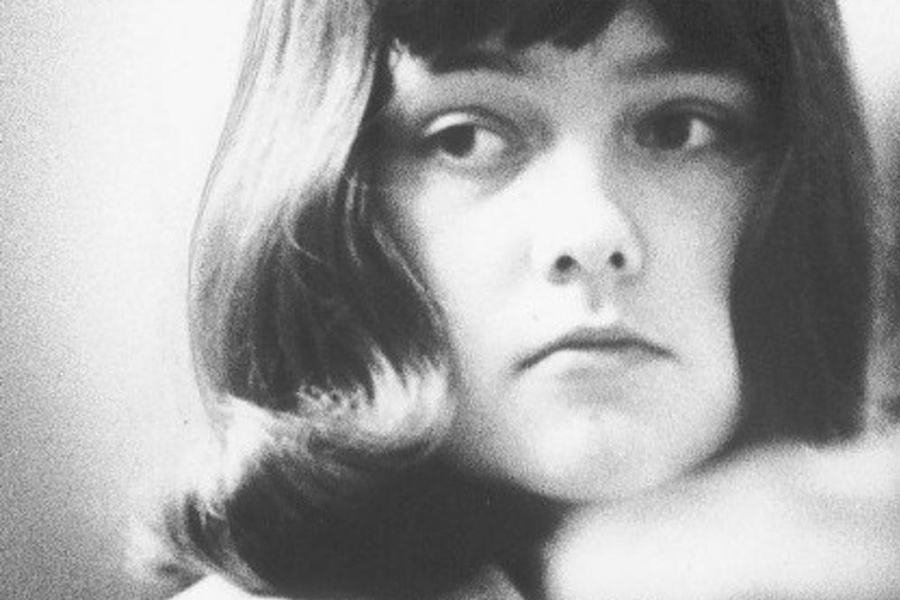
Who Stephanie Baniszewski Was in the Public Record
According to the public record, Stephanie Baniszewski is most known for the 1965 Indianapolis Sylvia Likens case. She was 15 and lived in a notorious American crime home. Stephanie entered history through horror, not art, politics, or business.
That makes writing about her hard. Her tale is hardly unique. It is linked to her family, the Baniszewskis, and one of the worst atrocities of the 20th century. The majority of public stories depict Stephanie as a person going through smoke, visible in pieces, always in relation to the Sylvia Likens disaster.
Still, a rough outline can be made. Stephanie, Gertrude Baniszewski’s second-oldest child, is commonly described in case recounts. She reportedly testified for the state after 1965, and her charges were withdrawn. Secondary accounts indicate she changed her name, married, had children, and left Florida.
The Baniszewski Family Background
I must comprehend Stephanie’s family to understand her. The huge, unstable Baniszewski household was plagued by poverty, violence, and instability. Her mother, Gertrude Nadine Baniszewski, dominated the Sylvia Likens case. Her father, John Stephan Baniszewski, was known in subsequent records as Blake.
Gertrude and John had a troubled relationship marked by separation, divorce, remarriage, and continued strain. By 1965, the family structure was cracked and fragile, like a house with too many broken beams holding up too much weight. Children moved through that instability every day.
Stephanie had publicly documented siblings Paula, John Baniszewski Jr., Marie, Shirley, James, and Dennis Lee Wright Jr.A crowded Indianapolis household with poor supervision, discipline, and emotional security is regularly described in case accounts. That familial context important because Stephanie’s public narrative is tied to its stresses and damage.
On the maternal side, the family line extended to Hugh Marcus Van Fossan Sr. and Molly Myrtle Oakley, named in family histories connected to Gertrude. These details do not transform the central story, but they help place Stephanie inside a real family tree rather than a flat crime summary.
Stephanie Baniszewski in 1965
In the summer and fall of 1965, Stephanie was a teenager in the Baniszewski house when Sylvia Likens and her sister Jenny came to stay. Public histories say that Sylvia initially had ordinary interactions with Stephanie before the cruelty in the home deepened and widened.
The year 1965 is the hinge on which Stephanie’s public identity turns. Before it, she was a child in a struggling family. After it, she was permanently linked to the worst chapter in that household’s history.
Stephanie was mentioned in grand jury action after the case. Her path differed from other prosecution-related ones. Her charges were dropped before a final trial after she testified for the state, according to public accounts. That decision put her in a unique position in history: neither totally erased from the criminal process nor judged publicly like other family members and co-defendants.
For me, this is one of the most striking parts of her story. Stephanie appears in the archive not as a central architect of the case, but not as a distant bystander either. She remains suspended in moral and historical tension, a name that surfaces in the courtroom narrative and then recedes again.
Her Mother, Gertrude Baniszewski
Gertrude Baniszewski’s activities throw the largest shadow, therefore no Stephanie profile can disregard her. Gertrude was the home’s adult authority and most linked to Sylvia Likens’ mistreatment and murder. Her name became synonymous with the case, and all of her children carried that association.
Stephanie was raised in a chaotic home that became a symbol of brutality. Parental names can be inherited. It worked like a public-remembered brand. Some accounts indicate Stephanie changed her name due of the load.
Her Father and the Blake Name
Stephanie’s father, John Stephan Baniszewski, also appears under the surname Blake in later family records. After Gertrude’s arrest, some of the younger children were placed in foster care, and later accounts say their surname shifted to Blake after their father regained custody of them.
This name change matters because it suggests a family trying, in whatever limited way it could, to step outside the wreckage attached to Baniszewski. A new surname does not erase history, but it can act like a closed door, even if the hallway behind it remains full of echoes.
John Jr. was later known publicly as John Blake, and Marie, Shirley, and James were also associated with the Blake surname in later family summaries. That detail helps explain why tracing the later lives of family members can be difficult.
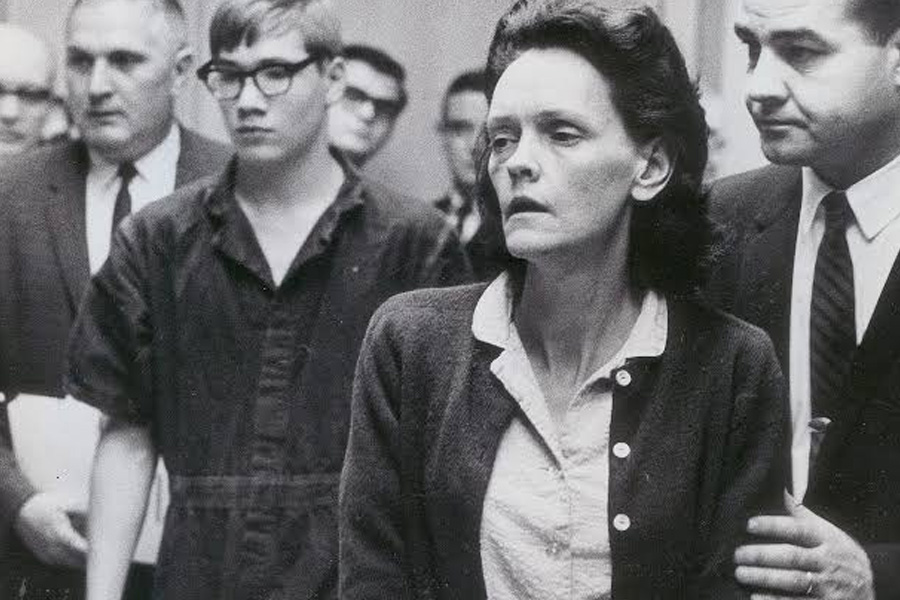
Stephanie’s Siblings and Their Place in the Story
Stephanie’s siblings appear again and again in case histories because the Baniszewski household was not a quiet background setting. It was an active arena in which multiple family members became part of the public narrative.
Paula Baniszewski is often linked to the crime. John Baniszewski Jr. was also publicly involved in the court case. After the arrests, youngsters Marie, Shirley, and James entered foster care. Family listings also include Dennis Lee Wright Jr., completing the home image.
When I read these family histories, I see not a neat genealogy but a storm map. Each sibling occupies a different place in the damage path. Stephanie’s public profile is therefore inseparable from the broader fate of her brothers and sisters.
The Reported Later Life of Stephanie Baniszewski
Later accounts suggest Stephanie Baniszewski became Stephanie Serikstad. Compared to her adolescence’s fame, such public descriptions describe an average life. Her marriage, children, and teaching career are reported. Public accounts situate her in Florida later in life.
That is one of the sharpest contrasts in her biography. A girl linked to one of Indiana’s darkest crimes is later described as living a routine adult life shaped by work, marriage, and family. The shift feels almost unreal, as if two separate biographies were stitched together under one skin.
At the same time, the publicly available detail is thin. I do not see a consistent public record of specific schools, honors, professional milestones, or detailed family identifications for her spouse and children. The broad outline exists, but the texture is missing.
Quick Family Overview
| Family Member | Publicly Noted Relationship to Stephanie | Commonly Reported Detail |
|---|---|---|
| Gertrude Baniszewski | Mother | Central adult figure in the 1965 case |
| John Stephan Baniszewski | Father | Later also associated with the Blake surname |
| Paula Baniszewski | Sister | Frequently named in case histories |
| John Baniszewski Jr. | Brother | Later also known as John Blake |
| Marie Baniszewski | Sister | Later placed in foster care after arrests |
| Shirley Baniszewski | Sister | Later associated with the Blake surname |
| James Baniszewski | Brother | Later associated with the Blake surname |
| Dennis Lee Wright Jr. | Brother | Listed in family summaries |
Why Public Interest Still Follows Her Name
The Sylvia Likens case has never faded from public awareness, therefore Stephanie Baniszewski is constantly searched for and discussed online. Crimes of magnitude typically leave lasting marks. People revisit the case, wonder what happened to each person, and look for their later lives in that 1965 house.
That is why Stephanie’s profile remains unusual. She is not famous in the ordinary sense. Her name survives because the event survives. Public interest follows her like a shadow at noon, short perhaps, but impossible to step out of entirely.
FAQ
How old was Stephanie Baniszewski during the Sylvia Likens case?
How old was Stephanie Baniszewski in 1965?
Stephanie Baniszewski was publicly described as 15 years old during the events of 1965 in Indianapolis.
What was her relationship to Gertrude Baniszewski?
Gertrude Baniszewski was Stephanie’s mother. Public histories place Stephanie among Gertrude’s children living in the household connected to the Sylvia Likens case.
Was Stephanie Baniszewski convicted in the case?
Public accounts generally say that Stephanie agreed to testify for the state, after which the charges against her were dropped and her case did not proceed to the same final outcome as several other defendants.
Did Stephanie Baniszewski change her name?
Later secondary accounts say she adopted the name Stephanie Serikstad. That name is frequently repeated in public summaries of her later life.
What did Stephanie Baniszewski do later in life?
Publicly repeated accounts say she later worked as a schoolteacher, married, and had children. Specific verified public details about her career and family life remain limited.
Where did Stephanie Baniszewski reportedly live later?
Later public summaries often place her in Florida, though detailed and consistently documented public information about her later residence is limited.
Who were Stephanie Baniszewski’s siblings?
Public family histories identify siblings including Paula, John Baniszewski Jr., Marie, Shirley, James, and Dennis Lee Wright Jr.
Why is Stephanie Baniszewski still discussed today?
She is still discussed because her name remains tied to the 1965 Sylvia Likens case, which continues to draw public attention decades later.